

In addition, the course will have students evaluate risk response using data analytics and audit sampling for substantive tests. The prerequisites to this course are Intermediate Accounting I, II, and bookkeeping definition III, Accounting Information Systems, and Business Law for Accountants. Intermediate Accounting II is the second of three in-depth financial accounting courses for accounting majors.
The Big 4 Accounting Firms: History, Services, Career and Revenue

By reconciling these with your bank statements, you can guarantee accuracy. Comprehending the step-by-step process is crucial, especially when you encounter common issues. What normal balance comes next can considerably impact your business’s financial health. Single-entry bookkeeping is a straightforward method suitable for small businesses and sole proprietorships that do not engage in a large volume of complex transactions. In this method, each financial transaction is recorded only once, either as an income or an expense, which directly affects the cash and bank accounts.
Admission Requirements – Accounting

Now that you’ve got a firm grasp on the basics of bookkeeping, let’s take a deeper dive into how to practice good bookkeeping. There’s no one-size-fits-all answer to efficient bookkeeping, but there are universal standards. The following four bookkeeping practices can help you stay on top of your business finances. Hiring a professional bookkeeper, especially an in-house employee, can be expensive. Along with salary, there are other costs to consider, like employee health benefits, training, and any necessary software or tools. If you’re new to business, you may be wondering about the importance of bookkeeping.

What is a 1099 form?
The course builds upon topics covered in Principles of Accounting and Financial Accounting. Single-entry bookkeeping is a straightforward method where one entry is made for each transaction in your books. These transactions are usually maintained in a cash book to track incoming revenue and outgoing expenses. You do not need formal accounting training for the single-entry system.
The payments you receive under the agreement are generally rental income. First, you gather financial documents like receipts and bank statements. Next, create a chart of accounts to categorize transactions into assets and expenses. The easiest way to do bookkeeping for a small business is to use cloud-based accounting software like QuickBooks or Wave. The most important thing you need is a core understanding of the accounting practices described above. If you’d like to become a bookkeeper, consider earning a bookkeeping certificate and then volunteering to keep the books for small, local charities or causes to gain experience.
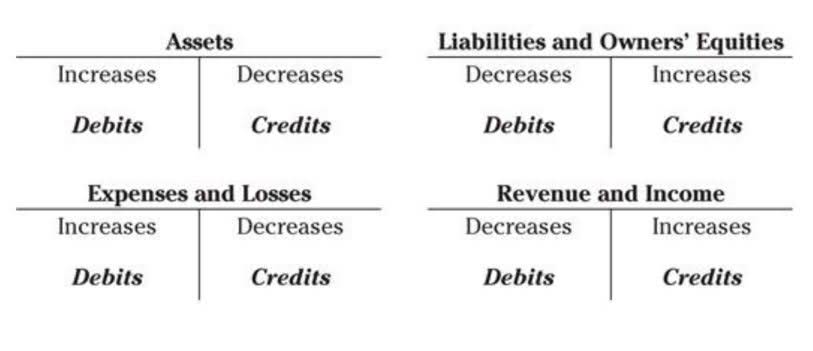
- Your recordkeeping system should include a summary of your business transactions.
- Hiring a professional bookkeeper, especially an in-house employee, can be expensive.
- They use bookkeeping software or spreadsheets to ensure every dollar is accounted for.
- But if you commit yourself and put in the hours needed, WGU makes it possible for you to earn a highly respected degree as a busy working adult.
- A bookkeeping course can be a useful way to learn the fundamentals needed to prepare financial reports, organize data using tools like Microsoft Excel, or understand how to balance books.
- Using our bucket system, your transaction would look like the following.
Keeping detailed records enables companies to analyze performance, control expenses, and ensure financial stability, making it an essential part of business operations. After recording transactions, bookkeepers assign them to the right categories in the company’s books, often using accounting software. For example, they https://mirrorboxstudio.co.za/14-best-austin-tx-accountants/ might categorize a purchase as ‘Office Supplies’ or income under ‘Product Sales’. This careful sorting prepares the financial information to use in reports later. Bookkeeping is vital to your business finances, but tasks like tracking sales and logging expenses can steal time you’d rather spend growing your business. And while keeping accurate records helps ensure clearer financial insights and smoother tax seasons, it’s easy for small business owners to fall behind or make errors.
- To keep your business prepared for taxes, audits, and future financial planning, bookkeepers organize and store important financial documents — e.g., receipts, bank statements, and invoices.
- Taking courses in bookkeeping, payroll and online accounting systems can prepare you for a bookkeeping role.
- The development of these skills is integrated with the use of technology.
- Finally, review these statements to gain insights into your business’s financial health and inform decision-making.
- The easiest way to do bookkeeping for a small business is to use cloud-based accounting software like QuickBooks or Wave.
- “Accountants take the financial data and analyze it to help organizations make financial decisions.”
- Single-entry bookkeeping is a straightforward method where one entry is made for each transaction in your books.
- In most cases, bookkeepers work full-time during regular business hours, although part-time and flexible schedules are also common.
- Bookkeepers are responsible for providing accurate, up-to-date financial information about a business.
- If you are an entrepreneur venturing into your first business or an established business owner contemplating an overhaul of how you manage finances, understanding bookkeeping is crucial.
Manufacturing bookkeepers need to accurately recognize goods throughout the production process, including raw materials, work-in-progress, and finished goods. Business owners have several options when selecting a bookkeeping style. Learn how QuickBooks Live Expert Assisted can help you streamline your bookkeeping and free up time spent on finances. Once you have a good idea of the work involved, focus on finding a bookkeeper whose background aligns with your business needs. Look for professionals who have experience working with businesses similar to yours, considering factors like size or industry structure.